I, Vera: The Many Lives of Vera Gedroits, a Radical Princess
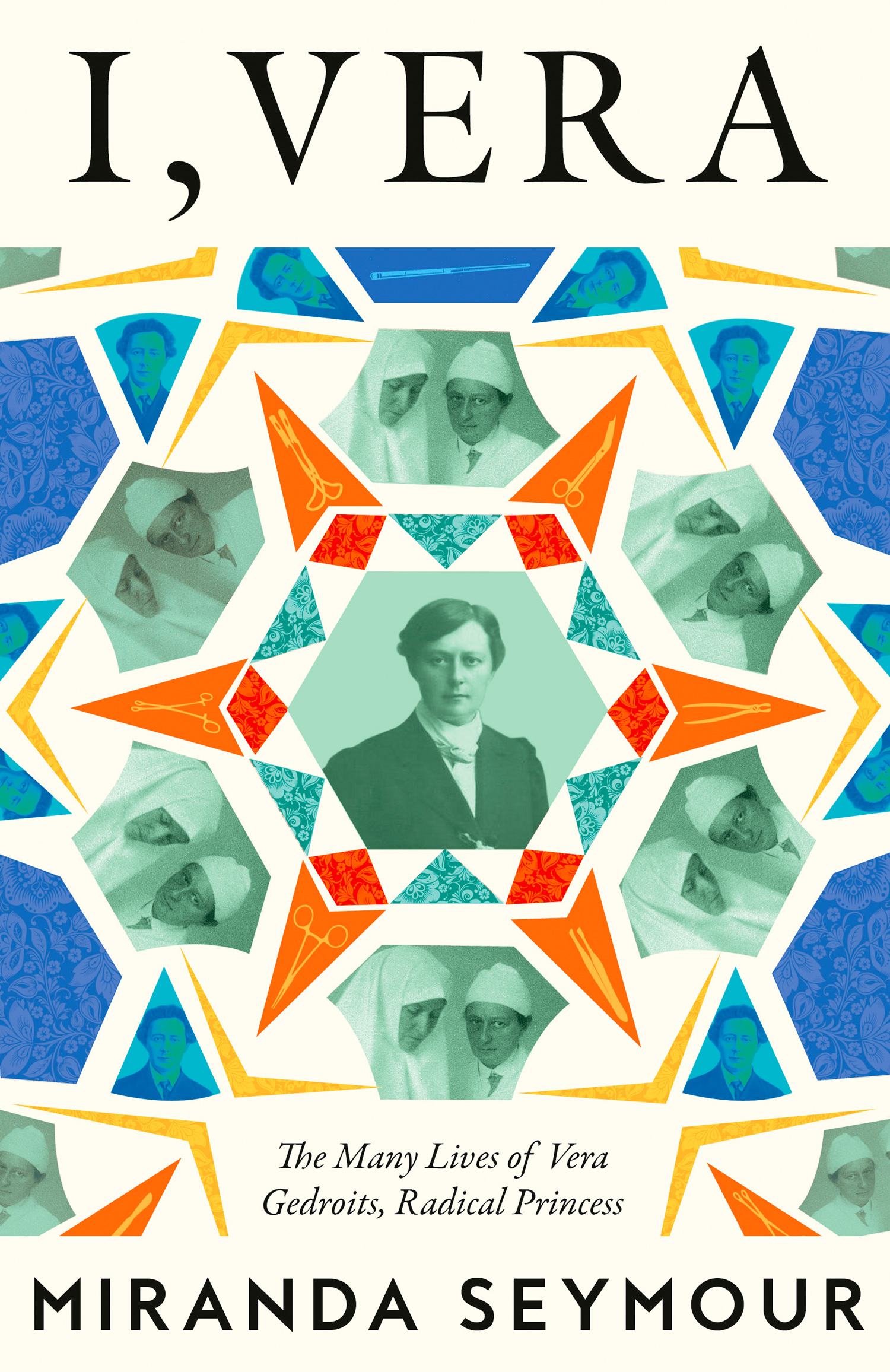
Princess Vera Gedroits was a towering, sweet-faced lesbian Princess, an ardent supporter of workers’ rights who regularly performed true medical miracles of surgery, while on one occasion ejecting an inquisitive Rasputin from her operating theatre and throwing him down the stairs.
While working for Cesar Roux at the world’s best known medical institute in Lausanne, Vera became the world’s first woman surgeon. Off the back of this, she was appointed by the doomed Tsarina to teach the women of the Romanov family how to be nurses.
In 1919, Vera was sent to Kiev, where her hospital reforms, innovative work and academic papers crowned an extraordinary career. During the troubled 1920s, in times of extreme danger, she completed an extraordinary series of memoirs. The Princess-Surgeon’s prose, including a Chekhovian account of her years as a revolutionary factory doctor, has been compared to that of Pasternak.
Some years later, Vera and her widowed lover Countess Maria Nirod were seized in the middle of the night and taken away at gunpoint during the Soviet purge of scientific intellectuals. Their whereabouts for the next few months was never disclosed. Vera’s pension was cancelled. The hospital and institute were closed. Living in extreme poverty, Vera died two years later of uterine cancer. She was just 61.
The Princess’s name was banished from official Soviet medical records; her tremendous contribution to medicine and the radical improvements to wartime surgery she pioneered as the first female battlefield surgeon have remained unacknowledged to this day. Now, Miranda Seymour uncovers the riveting story of a daring and brilliant woman who chose to make Ukraine her homeland, someone adored by her friends and patients, and whose achievements outrank even those of Florence Nightingale.